Families across the Greater Toronto Area are redefining what “home” looks like. Multi-generational living is no longer a niche lifestyle — it’s a practical, forward-thinking approach that allows extended families to share space, support one another, and build long-term financial stability.
As housing needs evolve in 2026, modern new home layouts are being designed with flexibility, privacy, and adaptability in mind. Whether you’re buying your first property or upgrading to accommodate parents or adult children, understanding multi-generational design is essential.

Why Multi-Generational Homes Are Increasing in Demand
Several key factors are driving demand for multi-generational homes in the GTA:
- Housing affordability: Combining households allows families to share mortgage costs, utilities, and property taxes.
- Aging parents: Many families prefer to care for elderly relatives at home rather than rely on external care facilities.
- Adult children staying longer: Rising costs and lifestyle shifts mean more young adults remain at home into their late 20s or 30s.
- Cultural traditions: Extended family living remains a core value for many communities across Ontario.
- Investment strategy: Larger homes with flexible layouts offer long-term resale appeal.
Online search activity reflects this shift. Phrases such as *“multi-generational home designs,” “homes with in-law suites in the GTA,”* and *“new homes with separate entrances”* continue to grow in popularity.
What Makes a Home Truly Multi-Generational?
Not every large house is suitable for extended family living. The difference lies in intentional design. Here are the features buyers should look for in a modern multi-generational layout:
1. Main Floor Bedroom with Full Bathroom
A bedroom and full bath on the main level is one of the most important features for aging family members. It eliminates stairs and provides accessible, comfortable living without major retrofits.
2. Secondary Suites or Basement Apartments
Homes with finished basements or secondary suites — ideally with private entrances — offer independence within shared living. These spaces can function as:
- In-law suites
- Long-term guest accommodations
- Rental income units
- Private quarters for adult children
The flexibility of a secondary suite increases both functionality and future resale value.
3. Dual Primary Bedrooms
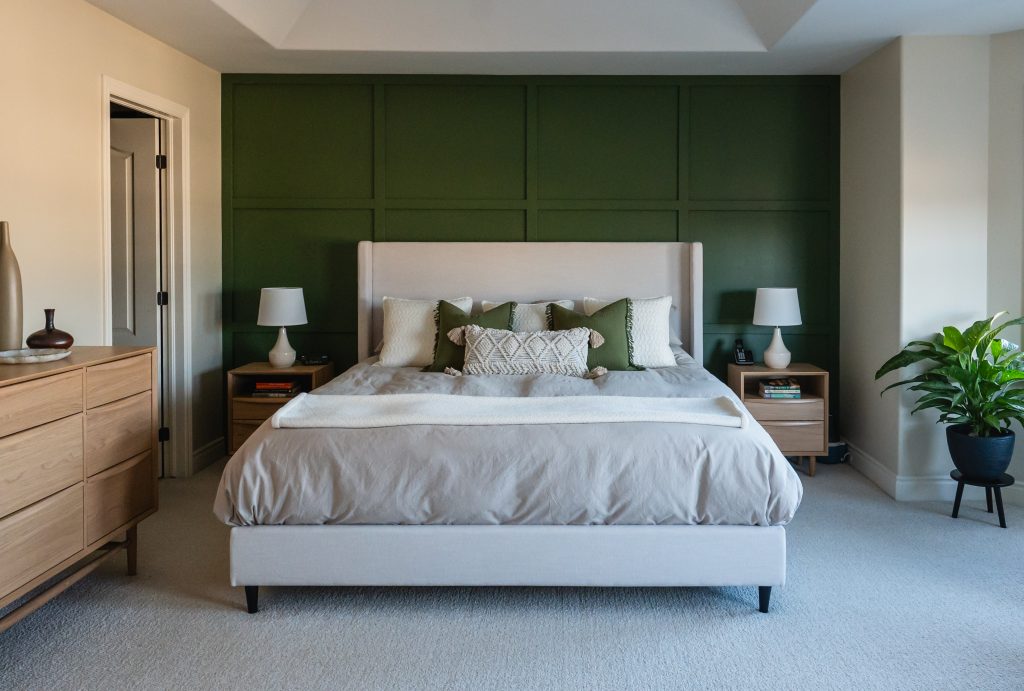
Larger detached homes increasingly feature two primary suites, each with its own ensuite bathroom and walk-in closet. This design offers autonomy for extended family members while maintaining privacy and comfort.
4. Flexible Bonus Rooms
Spaces labeled as lofts, dens, flex rooms, or media rooms can easily transform over time. Today’s playroom may become tomorrow’s home office or guest bedroom. Adaptability is one of the strongest selling points of new construction homes in 2026.
5. Smart Storage and Circulation
Multi-generational living requires more storage than traditional layouts. Oversized mudrooms, walk-in pantries, extra linen closets, and well-planned hallways improve everyday functionality and reduce household friction.
Why New Construction Homes Work Well for Multi-Gen Buyers
Pre-construction and newly built homes often provide greater flexibility than resale properties. Buyers can:
- Choose layouts that include main floor suites
- Finish basements during initial construction
- Upgrade bathrooms for accessibility
- Plan for future mobility needs
- Optimize shared living areas before move-in
Retrofitting older homes to meet multi-generational needs can be costly and disruptive. Modern floor plans, on the other hand, are increasingly designed with this lifestyle in mind from the start.
Balancing Privacy and Togetherness
Successful multi-generational homes strike a balance between shared space and personal retreat. Open-concept kitchens and great rooms encourage gathering, while private suites allow family members to maintain independence.
Design elements that help achieve this balance include:
- Zoned living areas
- Sound-buffered walls
- Separate thermostats in finished basements
- Strategic bedroom placement on different levels
These details may seem minor, but they significantly impact day-to-day comfort.
Long-Term Value Considerations
Homes designed for extended family living tend to appeal to a broader buyer pool over time. In competitive markets like the GTA, flexibility translates into stronger resale potential.
As demographics continue shifting, properties that accommodate multiple generations are expected to remain highly desirable.
Final Thoughts
Multi-generational living reflects how families are choosing to live in 2026 — with practicality, connection, and future planning at the forefront. When evaluating new homes, focus on layouts that support flexibility, privacy, and adaptability.
A well-designed home should work for your life today while anticipating what tomorrow might bring.