As we look toward 2026, the world of interior design continues to evolve, shaping the look and feel of new homes. Whether you’re moving into a new home or looking to update your existing space, understanding the latest trends can help you create a modern, stylish, and functional living environment. Here are the interior design trends to keep an eye on for new homes in 2026.
1. Sustainable and Eco-Friendly Materials
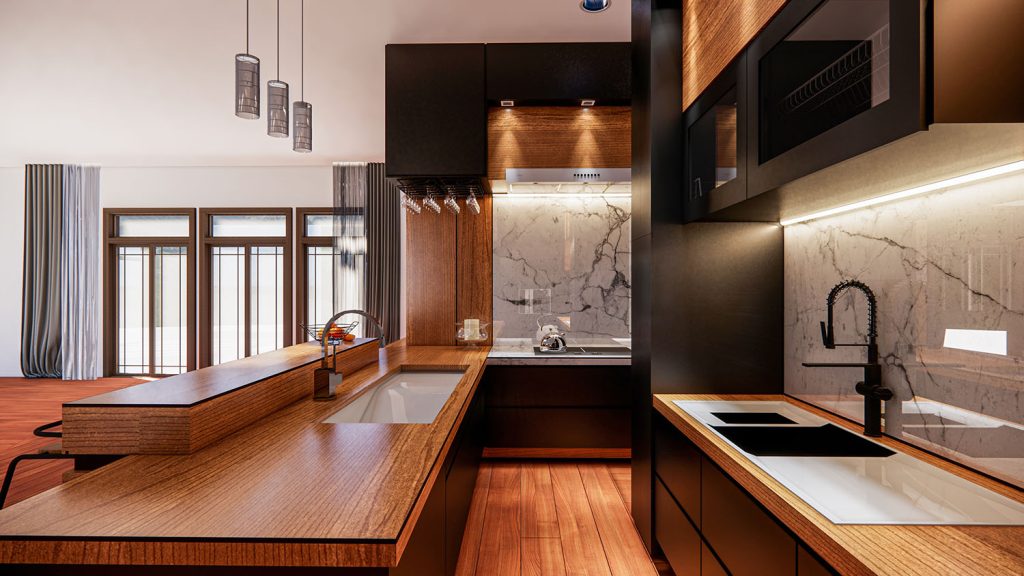
Sustainability is no longer just a buzzword; it’s a way of life. As environmental concerns grow, eco-friendly design choices are taking centre stage in new homes. In 2026, expect to see more homes featuring sustainable materials like bamboo flooring, recycled glass, and low-VOC paints. Natural, non-toxic materials that are biodegradable or recyclable are becoming more popular as people become more conscious of their environmental impact.
Designers are also focusing on energy-efficient home elements, from high-performance insulation to solar panels. These features not only reduce your carbon footprint but also lower your utility bills, making them an attractive investment for homeowners.
2. Bold, Natural Colours
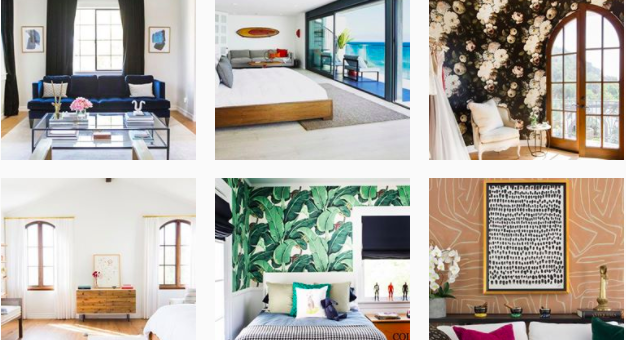
While neutral tones have long been a staple of interior design, 2026 will see a shift toward bolder, more natural colours. Think earthy greens, terracotta, mustard yellows, and rich browns. These colours create a warm, inviting atmosphere and bring the outdoors inside. Paired with natural wood elements and greenery, they evoke a sense of calm and serenity.
Rich hues in both small accents and larger spaces are a great way to infuse energy into your home. Whether it’s a feature wall, an accent chair, or vibrant throw pillows, bold colours will be a key element in home interiors in the upcoming years.
3. Multifunctional and Flexible Spaces
With more people working from home and spending time indoors, the need for multifunctional spaces is growing. In 2026, expect to see a rise in open-concept layouts and rooms that can easily adapt to different needs. For example, living rooms may also function as home offices, while dining rooms might double as spaces for homeschooling or creative activities.
Smart storage solutions will also become increasingly important. Custom cabinetry, built-in shelving, and hidden storage options will help homeowners maximize space without compromising style. Furniture that can be rearranged or repurposed will also see a rise in popularity, providing flexibility for various activities.
4. Biophilic Design and Indoor Gardens
Biophilic design, which connects interiors with nature, continues to gain traction. In 2026, homes will incorporate more greenery and nature-inspired elements to create relaxing, healthy spaces. Expect to see indoor gardens, living walls, and large potted plants becoming a staple in homes across the GTA.
In addition to aesthetic appeal, indoor plants improve air quality and promote well-being, making them a desirable feature for new homes. Biophilic design also includes the use of natural materials like stone, wood, and clay, which create a soothing and grounding atmosphere.
5. Technology Integration and Smart Homes
As technology becomes more integrated into daily life, the trend of smart homes is set to continue growing. Homeowners will increasingly demand seamless technology integration, with smart appliances, lighting, thermostats, and security systems that can be controlled from smartphones or voice assistants.
The rise of artificial intelligence (AI) will also influence interior design. Homes will feature advanced tech systems that can adjust settings based on personal preferences, monitor energy usage, and even enhance home security. As technology continues to evolve, the smart home trend will become even more prevalent in new builds.
6. Minimalist Design with Maximalist Touches
Minimalism is still a strong influence, with clean lines, open spaces, and a focus on functionality being essential features of modern homes. However, expect to see a rise in maximalist touches within minimalist designs. This style juxtaposes simplicity with bold patterns, vibrant colours, and eclectic decor.
For example, a minimalist living room might feature a neutral palette with a single statement piece of artwork or a unique, colourful accent chair. This balance between simplicity and boldness allows homeowners to express individuality without overwhelming the space.
7. Wellness-Centred Interiors
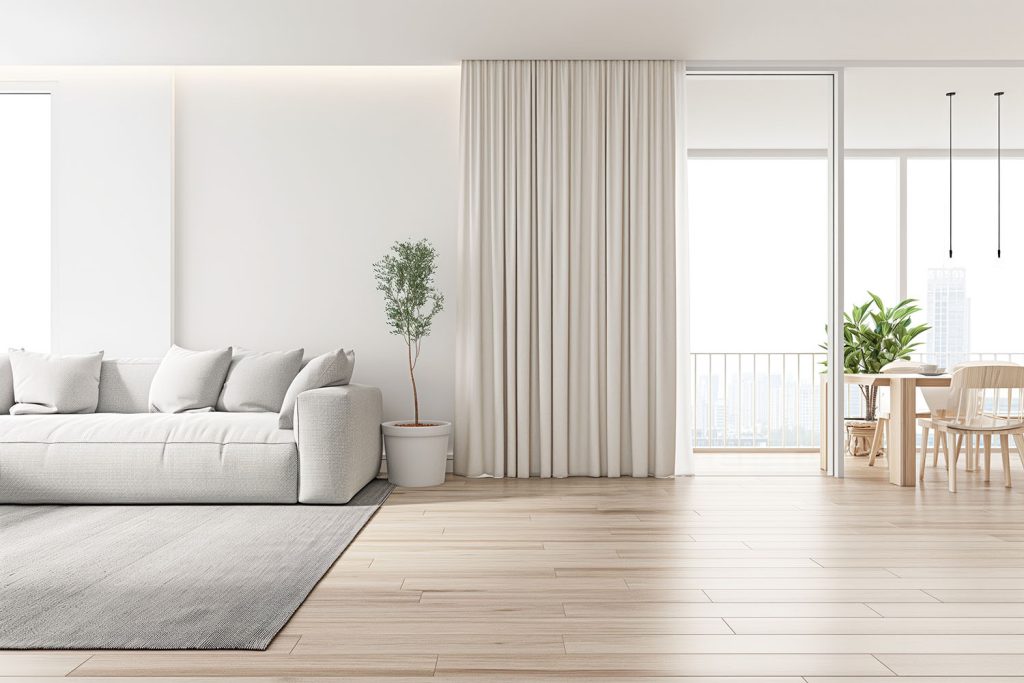
Homeowners are placing more importance on their mental and physical health, and as a result, wellness-centred interiors will be a major trend in 2026. Homes will be designed with comfort, relaxation, and mindfulness in mind. Features like spa-inspired bathrooms, calming colour palettes, and dedicated spaces for exercise or meditation will become more common.
Additionally, lighting design will play a crucial role in creating a healthy home environment. Expect to see more homes incorporating circadian rhythm lighting, which mimics natural light patterns to promote better sleep and overall well-being.
Conclusion
Interior design in 2026 is all about creating spaces that are not only beautiful but also functional, sustainable, and supportive of well-being. From eco-friendly materials and biophilic design to smart home technology and multifunctional spaces, the trends shaping new homes reflect a growing desire for homes that adapt to our changing lifestyles. Whether you’re building a new home or renovating an existing space, embracing these design trends will help you create a home that feels modern, comfortable, and in tune with the world around you.