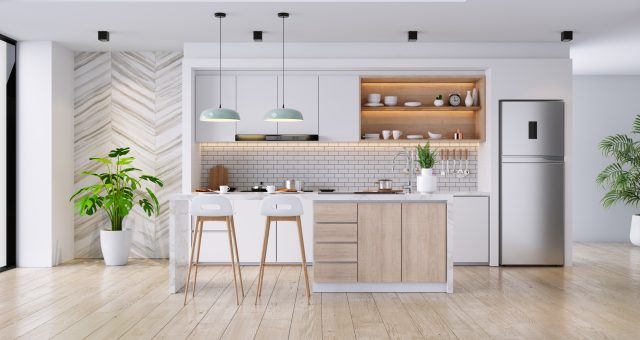
The 2026 real estate market in the Greater Toronto Area is shaping up to be defined by stability, strategy, and smarter decision-making. After several years of rapid shifts, interest rate changes, and cautious buyer sentiment, the market is entering a more measured phase.
For buyers considering a new home purchase this year, understanding current trends can help you move with confidence.

1. A More Balanced Market Environment
Unlike the intense seller-driven conditions seen in previous years, 2026 is showing signs of improved balance between buyers and sellers. Inventory levels have stabilized in many areas across the GTA, giving buyers more time to evaluate options and compare communities.
This shift means:
- Less pressure to make rushed decisions
- More opportunity to negotiate incentives
- Greater transparency around pricing
Search trends for “GTA housing market 2026” and “Ontario real estate forecast” reflect growing consumer interest in timing and strategy rather than urgency.
2. Continued Demand for New Construction Homes
New construction homes remain attractive to buyers who want modern layouts, energy efficiency, and lower maintenance costs. Pre-construction properties continue to appeal to those planning for long-term growth.
Key reasons buyers are choosing new builds in 2026 include:
- Energy-efficient systems and updated building standards
- Tarion warranty coverage
- Flexible deposit structures
- Contemporary open-concept designs
- Reduced renovation concerns compared to resale homes
Searches for “pre-construction homes in Ontario” and “new homes for sale GTA” remain consistently strong, indicating steady demand.
3. Suburban and Transit-Oriented Growth
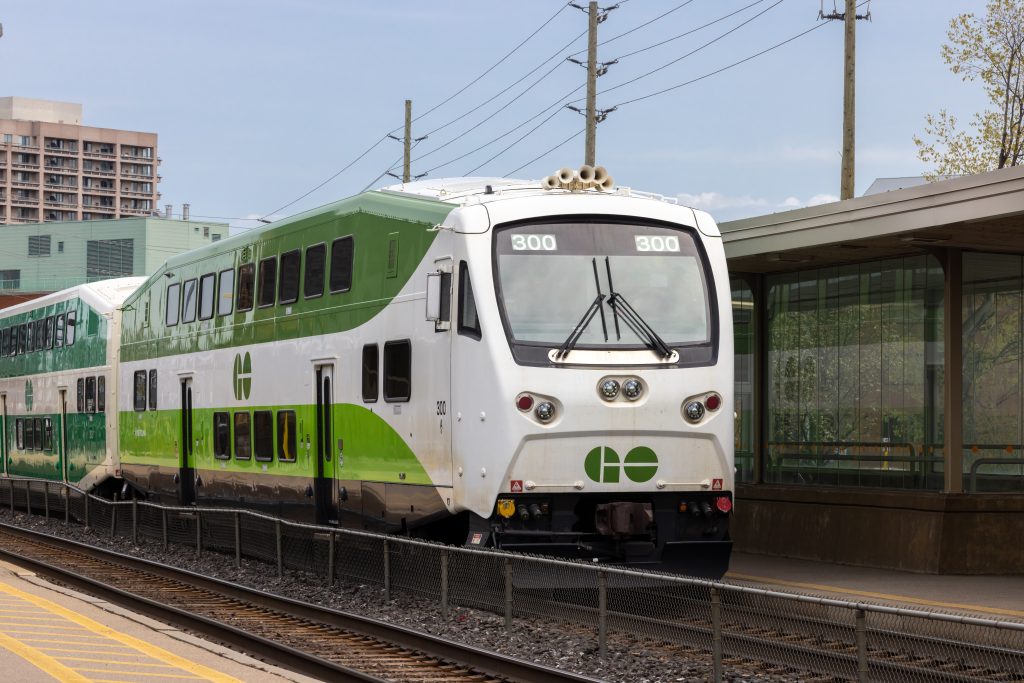
Communities outside Toronto’s downtown core continue to attract buyers seeking more space and long-term value. Access to highways, GO Transit, and LRT expansions remains a major driver of purchasing decisions.
Homebuyers in 2026 are prioritizing:
- Proximity to transit stations
- Family-friendly neighbourhoods
- Schools and parks
- Mixed-use developments with walkable amenities
Properties aligned with infrastructure growth corridors tend to show stronger long-term appreciation potential.
4. Function Over Flash
Buyers are increasingly prioritizing practical design over purely aesthetic upgrades. Instead of focusing on statement features, many are asking:
- Is there a dedicated home office?
- Can this layout support multi-generational living?
- Is there adequate storage?
- Does the space adapt over time?
Flexible floor plans, finished basements, loft spaces, and secondary suites are high on buyers’ wish lists. The shift toward functionality reflects how people continue to work, study, and spend more time at home.
5. Incentives and Buyer Programs Matter
With affordability still top of mind, buyers are paying close attention to incentives such as:
- Design studio credits
- Limited-time bonuses
- Capped-rate promotions
- Deposit structure flexibility
These offerings can meaningfully affect overall purchase costs. Savvy buyers in 2026 are evaluating not just the price of a home, but the full financial picture.
6. Long-Term Planning Is Driving Decisions
Perhaps the most notable trend in 2026 is the return of long-term thinking. Rather than attempting to “time the market,” buyers are focusing on:
- Stable employment outlook
- Lifestyle needs
- Community growth potential
- Five- to ten-year resale value
Real estate remains a long-term asset. Buyers who align their purchase with life goals rather than short-term fluctuations tend to feel more confident in their decisions.